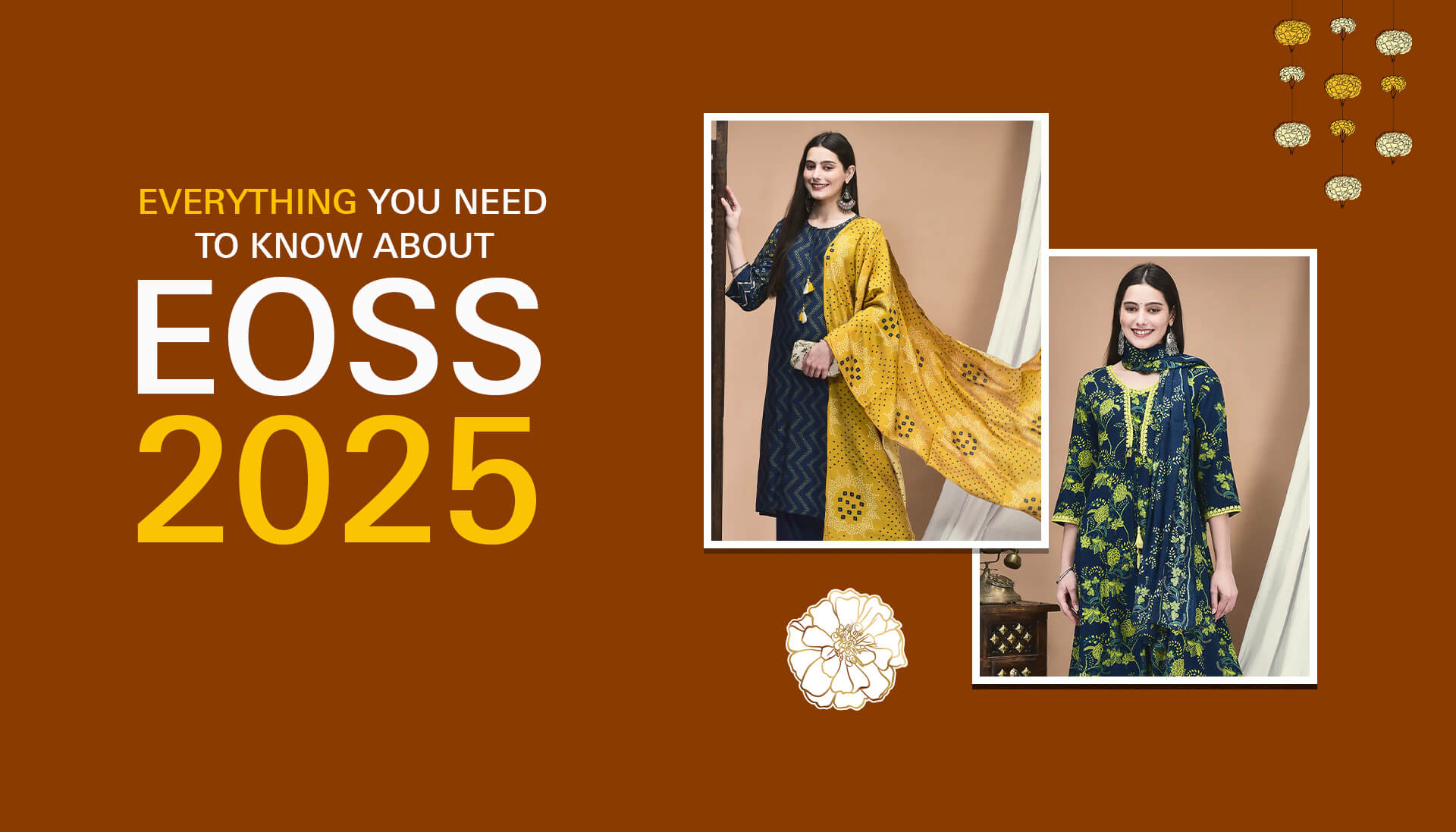
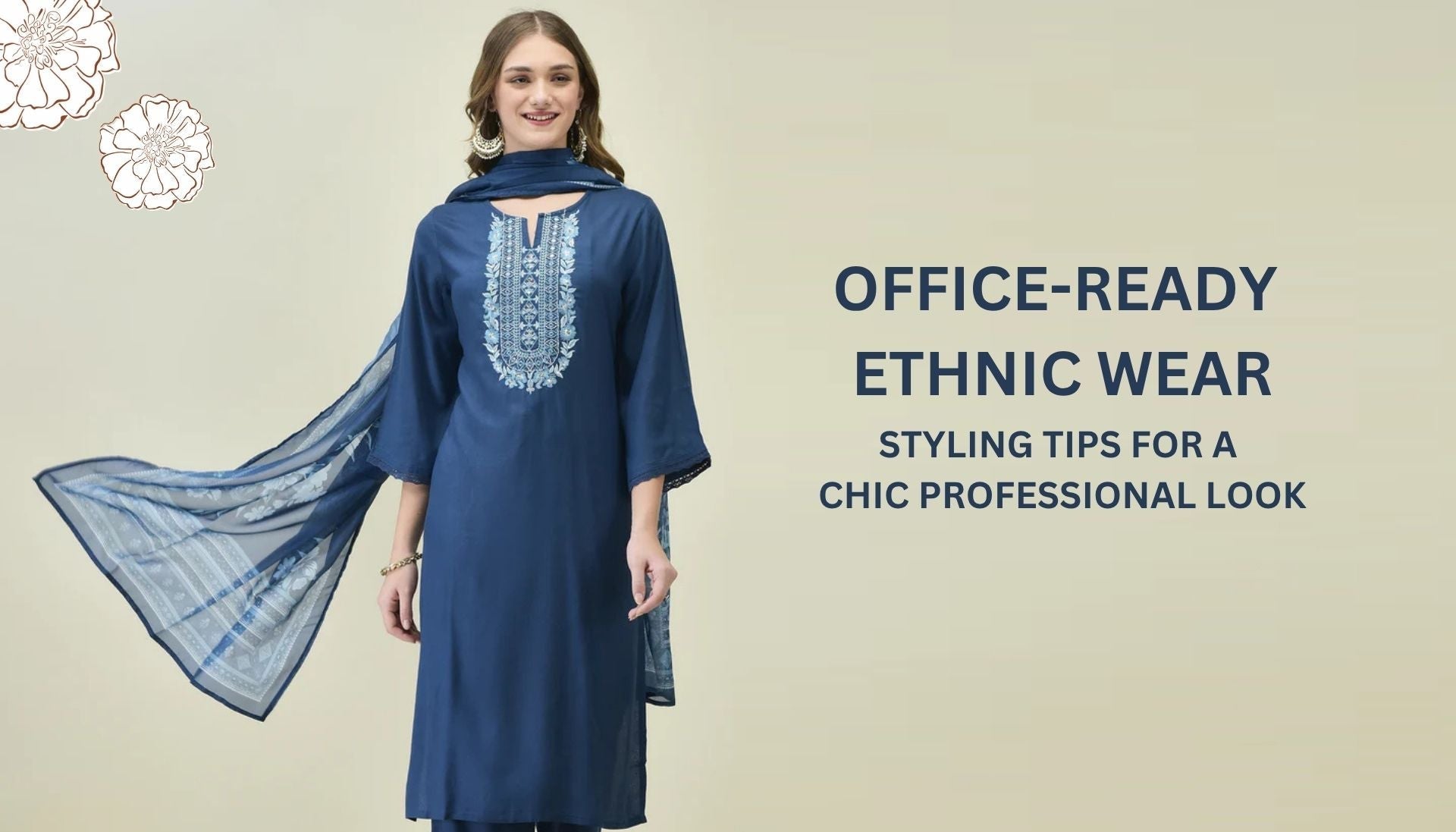
A Color Guide To Ethnic Wear: Choosing Shades That Suit You Best
Ethnic wear holds a special place in Indian fashion, blending tradition with contemporary style. The rich colors, intricate patterns, and diverse fabric choices make ethnic outfits stand out in a crowd. However, one of the most crucial aspects of looking stunned in ethnic attire is choosing the right colors. The right shade can enhance your overall appearance, complement your skin tone, and make you feel confident.
In this blog, we will explore how to choose the perfect colors for ethnic wear, considering various factors like skin tone, personal preferences, seasonal trends, and traditional color symbolism. Whether you are dressing for a festival, wedding, office event, or casual outing, this guide will help you select colors that highlight your personality and elevate your look.
Understanding the Psychology of Colors in Ethnic Wear
Colors are more than just visual elements; they evoke emotions, create impressions, and carry deep cultural meanings. In Indian ethnic fashion, every color tells a story. Here are some of the most commonly used colors and their significance:
- Red – This shade reflects deep emotions like love, energy, confidence, and the beauty of new beginnings. Traditionally, Indian brides wear red as it is associated with prosperity and marital bliss.
- Yellow – Represents happiness, optimism, and enlightenment. It is commonly worn during auspicious events like Haldi ceremonies and Vasant Panchami.
- Green – Known for symbolizing harmony and freshness, this color is often seen at religious events and linked to abundance.
- Blue – Symbolizes calmness, wisdom, and trust. Darker blues are associated with royalty and elegance, making them a popular choice for formal ethnic wear.
- Pink – Represents femininity, grace, and charm. Different shades of pink, from baby pink to hot fuchsia, are ideal for weddings and celebrations.
- Black – A symbol of mystery and sophistication. While traditionally avoided for religious functions, black ethnic outfits are widely worn for evening parties and modern events.
- White – Stands for peace, simplicity, and divinity. It is often worn during religious gatherings and summer occasions for a fresh, serene look.
Understanding these color meanings can help you choose shades that not only suit your personality but also align with the occasion you are dressing for.

How to Choose Ethnic Wear Colors Based on Skin Tone
The shades that suit you most often depend on your skin’s natural undertone. Skin tones are generally categorized as warm, cool, or neutral based on their undertones.
1. Ethnic Wear Colors for Warm Skin Tones
If your skin has yellow, golden, or peachy undertones and you find that gold jewelry looks more flattering than silver, you have a warm skin tone.
Best Colors:
- Shades inspired by nature such as mustard yellow, burnt orange, and rust bring warmth and depth to your ethnic wardrobe.
- Rich jewel tones like emerald green, ruby red, and deep turquoise add a touch of luxury and vibrancy to any outfit.
- Neutral hues like ivory, beige, and camel brown offer timeless elegance with a soft, earthy charm.
Avoid:
- Cool tones like icy blue, silver-grey, or pure white, as they may make your skin appear dull.

2. Ethnic Wear Colors for Cool Skin Tones
If your skin has pink or bluish undertones and you find that silver jewelry complements your complexion better than gold, you have a cool skin tone.
Best Colors:
- Pastels like baby pink, lavender, and sky blue.
- Cool-toned deep shades like navy blue, dark plum, and burgundy.
- Classic neutrals such as cool greys, crisp white, and soft peach.
Avoid:
- Earthy and warm shades like mustard, olive green, and orange, as they may overpower your complexion.

3. Ethnic Wear Colors for Neutral Skin Tones
When both gold and silver jewelry look equally flattering on you, and your undertones are a blend of warm and cool, your skin tone is considered neutral.
Best Colors:
- A balance of warm and cool shades like mauve, teal, coral, and dusty rose.
- Rich colors such as wine, deep maroon, and midnight blue.
- Soft neutrals like taupe, off-white, and mocha brown.
Avoid:
- Neon or extremely bright shades, which may overshadow your features rather than enhance them.

Choosing Ethnic Wear Colors for Different Occasions
Different occasions call for specific colors to set the right tone. Here’s a breakdown of ideal colors for different events.
1. Festive and Wedding Ethnic Wear
Indian festivals and weddings are synonymous with vibrant and regal colors. Traditional shades like red, gold, and green dominate festive fashion.
Best Colors:
- Red, maroon, and magenta for an opulent and traditional look.
- Gold, beige, and cream for royal elegance.
- Emerald green, mustard yellow, and deep blue for lively celebrations.
Tip: Opt for zari work, embroidery, or silk fabrics to add richness to your festive outfit.

2. Office and Workwear Ethnic Outfits
For professional settings, it’s best to choose sophisticated and understated colors.
Best Colors:
- Pastel pinks, light blues, and soft greys for a polished, subtle look.
- Navy blue, dark green, and beige for a formal yet stylish appearance.
Tip: Avoid overly bright or glittery shades that may feel out of place in a corporate environment.

3. Casual and Daily Wear Ethnic Outfits
For everyday wear, comfort is key, and light, refreshing colors work best.
Best Colors:
- Go for colors like powder blue, mint green, or lavender when you want a soft and refreshing look.
- Earthy tones like brown, olive, and terracotta for a natural, grounded look.
Tip: Stay cool and comfortable by picking light fabrics like cotton or linen in gentle, soothing colors.

4. Evening and Party Ethnic Wear
For evening occasions, bold and dramatic shades create a striking effect.
Best Colors:
- Glam up your look with bold shades such as black, deep wine, or shimmering gold.
- Sophisticated shades like royal blue, forest green, and deep purple are perfect for making a refined impression.
Tip: Fabrics like velvet and silk in dark shades enhance the elegance of your outfit.

Trending Color Combinations for Ethnic Wear
Pairing colors creatively can make your ethnic outfit more visually appealing. Discover classic and on-trend color combinations that never go out of style:
- Royal Blue & Gold – This classic pairing brings a regal charm that's perfect for festive gatherings and joyous occasions.
- Maroon & Beige – A balanced mix of bold and neutral shades for weddings.
- Pink & Yellow – Bright and cheerful, ideal for Haldi ceremonies.
- Black & Silver – These graceful shades are ideal for evening events where you want to create a refined and stylish impression.
- Peach & Grey – Subtle yet stylish for casual ethnic wear.
Tip: Monochrome outfits with detailed embroidery are a great way to keep things elegant without overwhelming your look.
Final Thoughts: Mastering the Art of Color Selection
Choosing the right color for your ethnic wear is an art that balances personal style, occasion, and seasonal trends.
- Choosing the right shade starts with knowing which colors flatter your skin tone the most.
- Keep in mind the occasion and dress appropriately with colors that suit the event.
- Experiment with seasonal and trending shades while staying true to your preferences.
- Don’t be afraid to try unconventional color combinations to create a unique ethnic look.
Choosing the perfect color has the power to elevate even a simple look into something truly striking. With these insights, you can confidently select shades that not only enhance your beauty but also make you feel empowered in your ethnic attire.
FAQs
1. How do I determine which colors suit my skin tone best?
To find the best colors for your skin tone, identify whether you have warm, cool, or neutral undertones. Warm tones look best in earthy colors like mustard, rust, and deep green, while cool tones shine in pastels and jewel tones like navy, plum, and lavender. If you have a neutral undertone, a mix of both warm and cool shades, such as teal, mauve, or coral, will suit you.
2. Which colors should I avoid if I have a warm skin tone?
People with warm undertones should avoid extremely cool shades like icy blue, silver-grey, or pure white, as they can make the skin look washed out. Instead, opt for rich, warm colors like deep red, burnt orange, and olive green that enhance your natural warmth.
3. What are the best colors for ethnic wear in a professional setting?
For office and workwear, sophisticated and muted shades work best. Shades like beige, grey, navy, and muted pastels offer a clean and refined look that’s ideal for a smart, put-together appearance. Avoid overly bright or glittery shades that may feel out of place in a corporate environment.
4. What color combinations are currently trending in ethnic wear?
Some timeless and trendy color combinations in ethnic wear include:
- Royal blue & gold for regal elegance
- Maroon & beige for a classic festive look
- Pink & yellow for a vibrant, cheerful appeal
- Black & silver for sophisticated evening wear
- Peach & grey for subtle and modern aesthetics
5. Are there any specific colors that are considered inauspicious in ethnic wear?
While cultural beliefs vary, black is often avoided in traditional religious events and weddings, as it is sometimes associated with negativity. However, it is widely worn at parties and modern gatherings. Similarly, pure white is traditionally associated with mourning in some cultures, but it is now embraced for summer and festive looks.
6. How can I make sure my ethnic outfit looks balanced and not too overpowering?
To maintain balance, avoid wearing more than two bold colors together. Rich colors look even better when paired with soft neutrals like red with beige or emerald green with gold. If your outfit has heavy embroidery or prints, stick to solid colors for accessories to keep the look elegant.