History Of Ethnic Wear: From Traditional Roots To Modern Fashion Statements
Ethnic wear holds a unique place in the world of fashion. It is a reflection of rich cultural heritage, traditions, and a timeless sense of elegance. The journey of ethnic wear, from its traditional roots to modern fashion statements, is both fascinating and dynamic. Ethnic wear for women, particularly in India, has undergone a remarkable evolution over the centuries, blending traditional fabrics, designs, and cultural motifs with contemporary styles and modern trends. This blog explores the history of ethnic wear, focusing on how it has transformed into a modern-day fashion statement while retaining its cultural significance.
The history of ethnic wear dates back thousands of years, deeply rooted in the diverse cultures and traditions of India. In ancient India, clothing was not just a necessity but also a symbol of social status, regional identity, and cultural expression. The designs and fabrics used in ethnic wear varied significantly across different regions of India, reflecting the local customs, beliefs, and lifestyles.
Early ethnic wear was primarily made from natural fibers such as cotton, silk, and wool. These fabrics were carefully woven into intricate patterns and adorned with embroidery, beadwork, and natural dyes. The traditional wear was simple, elegant, and suited the local climate. For instance, in the northern regions, heavy woolen fabrics were common, while lighter cotton materials dominated the southern states.
The sari is perhaps the most iconic traditional attire in India, dating back to over 5,000 years. It is believed to have originated from the Indus Valley Civilization, where ancient depictions of women in draped fabric were discovered. The sari, with its elegant drape and intricate designs, was adopted and adapted by various dynasties throughout India. The various regional styles, such as the Kanjivaram from the south and Banarasi from the north, showcase the diversity in weaving techniques and fabric choices.
The Mughal Influence on Ethnic Wear
One of the most significant influences on Indian ethnic wear came during the Mughal era (1526–1857). The Mughals brought with them rich cultural influences from Central Asia, Persia, and the Middle East. They introduced luxurious fabrics like velvet, brocade, and chiffon, along with intricate embroidery techniques that still define traditional Indian wear today.
The Mughal period also witnessed the rise of the lehenga choli, a set of attire made up of a long skirt (lehenga), blouse (choli), and a dupatta. These garments were lavishly decorated with zari work, stone embellishments, and fine silk threads, becoming the staple attire for women of royalty and nobility. The Mughal empresses, known for their opulent wardrobes, helped popularize these elaborate designs, which became symbols of status and sophistication.
In addition to the lehenga choli, the Mughal influence also contributed to the popularity of Anarkali suits. These long, flowing gowns with a straight silhouette were often paired with fitted pants (churidar) and a dupatta, creating a regal look that continues to be worn today at weddings and festive occasions.

The British Colonial Era and the Changing Fashion Landscape
The British colonial period (1858–1947) marked a turning point in the history of ethnic wear. During this time, Western clothing styles began to influence Indian fashion, as the British introduced tailored suits, dresses, and more structured garments. As a result, ethnic wear evolved, combining Western styles with traditional designs.
In the late 19th and early 20th centuries, the saree continued to be a symbol of Indian culture, but the way it was worn began to change. The pre-colonial draping style was replaced by a more modest, contemporary look that covered the torso more securely. Alongside the sari, the kurta and churidars (tight-fitting pants) became more popular, especially among the urban elite.
While the British influence led to the adoption of more fitted garments, the fabric choices in ethnic wear remained tied to India’s traditional weaving techniques. Cotton, khadi (hand-spun cotton), and silk were still the fabrics of choice for ethnic wear, symbolizing both comfort and luxury.

Post-Independence India and the Rise of Modern Ethnic Wear
After India gained independence in 1947, there was a resurgence of interest in traditional clothing, spurred by the desire to rediscover India’s cultural heritage. The post-independence era saw the revival of ethnic wear, as women began to embrace Indian fabrics and clothing in a newfound way. The independence movement, led by figures like Mahatma Gandhi, emphasized the importance of wearing handwoven fabrics like khadi to promote national unity and self-sufficiency.
During the 1950s and 1960s, Indian women embraced the sari with renewed pride, and it was worn with a sense of independence and confidence. Bollywood cinema, particularly during the golden age of Hindi cinema, played a significant role in popularizing ethnic wear among women across the country. Actresses like Madhubala, Nargis, and later Sridevi were seen wearing beautiful sarees and lehengas in iconic films, influencing fashion trends for decades to come.
The 1970s and 1980s saw a shift in ethnic wear with the introduction of ready-to-wear garments like salwar kameez and kurta sets for women. This new trend catered to the growing demand for comfortable, functional, and stylish outfits. The kurta suit set gained massive popularity, especially in urban areas, as it was easy to wear and versatile for both casual and formal occasions.

The Evolution of Ethnic Wear in Contemporary Fashion
In recent decades, ethnic wear has experienced a remarkable transformation. What was once seen as a symbol of tradition and cultural pride has now become a mainstream fashion statement. Designers and brands have combined modern sensibilities with traditional Indian elements, creating clothing that is both fashionable and rooted in heritage.
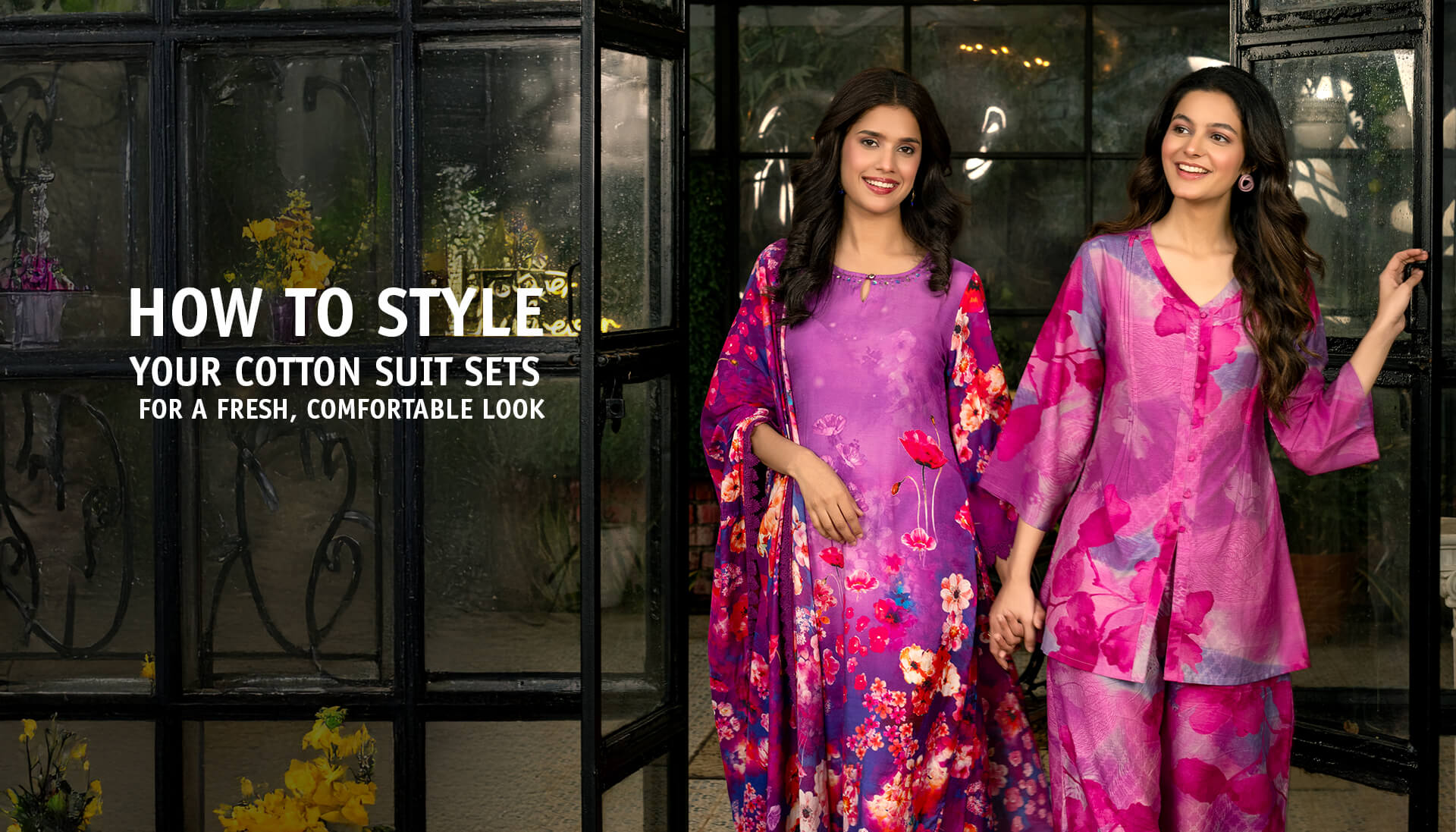
The rise of ethnic co-ord sets and kurta pant sets has made ethnic wear more accessible and practical for everyday use. These contemporary outfits are often made from lightweight, breathable fabrics like cotton, making them perfect for the hot summer months. Additionally, the use of embellishments, prints, and modern cuts has helped elevate ethnic wear to meet global fashion standards.

Ethnic wear has also become an essential part of global fashion weeks and runway shows, with designers like Manish Malhotra, Sabyasachi Mukherjee, and Abu Jani Sandeep Khosla showcasing Indian garments in their collections. Their innovative designs blend traditional Indian textiles like banarasi brocade and chanderi silk with contemporary styles, creating timeless pieces that are both elegant and modern.
The popularity of suits for women, such as cotton suit sets for women and party wear kurtis online, has grown exponentially, thanks to the increasing availability of ethnic wear through online shopping platforms. Women today can find a wide range of kurta sets, salwar kameez, and short suit sets to suit their personal style and comfort level.
The influence of Indian ethnic wear has transcended national borders. Bollywood stars and fashion icons have become global ambassadors for Indian fashion, wearing outfits from renowned Indian designers on international platforms. As a result, ethnic wear, including women kurta sets, festive kurta sets, and kurta pant dupatta sets, has found its way into the wardrobes of women worldwide.
 The history of ethnic wear reflects the rich cultural heritage of India, from its traditional roots to its emergence as a modern fashion statement. The evolution of ethnic wear has been influenced by various factors, including royal patronage, colonialism, independence, and global fashion trends. Today, ethnic wear continues to hold a special place in the fashion world, blending timeless elegance with contemporary appeal. Whether it’s a kurta suit set for women, a festive kurta set, or a women kurta pant set, ethnic wear remains a symbol of both tradition and modernity, offering women a chance to express their style while staying connected to their cultural roots.
FAQs
1. What is ethnic wear, and why is it significant?
Ethnic wear refers to traditional clothing styles that are deeply rooted in the cultural and regional customs of a particular country or community. In India, ethnic wear includes garments like sarees, lehengas, kurtas, and salwar kameez. These outfits are significant because they symbolize cultural identity, heritage, and pride while reflecting the history and traditions of different regions.
2. How has ethnic wear evolved over the centuries?
Ethnic wear has evolved significantly, starting from simple garments made from natural fibers to intricate designs influenced by different dynasties, including the Mughal era. During British colonial rule, Western fashion also influenced Indian ethnic wear, and post-independence, there was a resurgence of traditional fabrics like khadi. In recent decades, ethnic wear has seamlessly blended with modern fashion trends, incorporating lighter fabrics, contemporary cuts, and stylish embellishments.
3. What are some traditional types of ethnic wear in India?
Some of the most iconic types of traditional ethnic wear in India include the saree, lehenga choli, salwar kameez, and kurta sets. These garments come in various styles and fabrics, such as silk, cotton, and wool, with each region of India offering distinct styles, embroidery techniques, and weaving patterns, like Banarasi, Kanjivaram, and Bandhani.
4. How has Bollywood influenced ethnic wear?
Bollywood has had a significant impact on the popularity of ethnic wear. Actresses in iconic films have showcased various ethnic garments, like sarees, lehengas, and kurtas, making them a staple in women's wardrobes. The trend set by Bollywood stars continues today, as actresses like Deepika Padukone, Priyanka Chopra, and Sonam Kapoor wear designer ethnic pieces on and off-screen, driving trends worldwide.
5. What are some modern trends in ethnic wear for women?
Modern trends in ethnic wear for women include the rise of co-ord sets, kurta pant sets, and lighter, more breathable fabrics such as cotton and georgette. There is also a growing preference for embellished kurtas, printed sarees, and designer lehengas. The fusion of traditional styles with contemporary silhouettes has made ethnic wear more versatile and wearable for various occasions, from casual outings to formal events.
6. How has online shopping impacted the ethnic wear industry?
Online shopping has greatly expanded the accessibility of ethnic wear. Platforms like Myntra, Amazon, and dedicated ethnic wear websites allow customers to browse and purchase a wide variety of products, including women kurta sets, kurta pant dupatta sets, festive kurta sets, and more. With easy access to diverse styles, fabrics, and designers, consumers can now shop for ethnic wear from the comfort of their homes, making it more convenient and popular.