The Role Of Fashion In Feminism: Clothing As A Form Of Protest
Fashion is usually seen as a mirror of individuality, artistry, and the way we choose to present ourselves. Away from the glamour of shows and editorials, clothing has often doubled as a quiet yet impactful weapon of defiance. For centuries, women have used clothing as a form of protest, challenging cultural expectations, political restrictions, and social barriers. The story of feminism is incomplete without acknowledging the role of fashion in shaping women’s voices.

Feminism is usually linked with rallies, voices, and social reforms, but clothing, both what women embraced and what they rejected, has consistently shaped this movement. Outfits have always represented more than threads and seams; they carry stories of strength, defiance, and transformation.
Fashion as Resistance in History

Across centuries, style choices have sparked unspoken movements, giving voice to change without uttering a word. In the late 19th century, suffragettes deliberately chose to wear white dresses while demanding the right to vote. Their fashion choice wasn’t accidental; it was a visual statement of purity and determination that made their movement impossible to ignore.
In the 20th century, trousers became a symbol of defiance for women. At a time when dresses and co-ord sets were considered the norm, wearing pants challenged not only clothing traditions but also the larger patriarchal system that dictated how women should behave. What seemed like a small wardrobe change was actually a declaration of freedom.
The Political Power of Clothing
Clothing is often the first thing society notices about a woman. That makes it a powerful political tool. Whether it is rejecting restrictive attire or embracing cultural identity proudly, fashion allows women to control their narrative.
Consider the black attire worn by Hollywood actresses at the Golden Globes in support of Time’s Up movement. That moment proved that clothing can unite women across backgrounds to deliver one message: silence and inequality will no longer be accepted.
Ethnic wear too has played its role in protest. Women across South Asia have often reclaimed sarees, kurtas, and other traditional outfits as statements of cultural pride in times when western styles dominated as symbols of “progress.” By wearing what is authentic to their identity, women have challenged narrow definitions of modernity.
Everyday Fashion as Protest
Fashion doesn’t always need a stage to be political. Even everyday choices can carry weight. For instance, a woman choosing to wear bold prints in a conservative environment or embracing her natural body shape instead of conforming to unrealistic standards is, in itself, a quiet protest.
Wearing clothes that celebrate body positivity, rejecting age-old color taboos, or mixing traditional ethnic wear with modern cuts are all ways women silently reclaim their independence. These small acts remind us that feminism doesn’t have to be loud to be effective; sometimes, the revolution is stitched into the seams of daily wear.
Breaking Stereotypes Through Style
Fashion has also helped dismantle stereotypes about what women should or shouldn’t wear. For years, society has tried to tell women that short skirts are inappropriate, or that ethnic wear is old-fashioned, or that only certain body types can pull off certain styles. Feminist fashion pushes back against these rules, insisting that women are free to define their own aesthetics.

Today, women confidently wear co-ord sets, power suits, anarkalis, or even a simple kurta with the same intention: to assert their individuality. This freedom of choice is itself a feminist act, proving that style doesn’t belong to a single narrative; it belongs to every woman.
Fashion and Identity in Modern Feminism
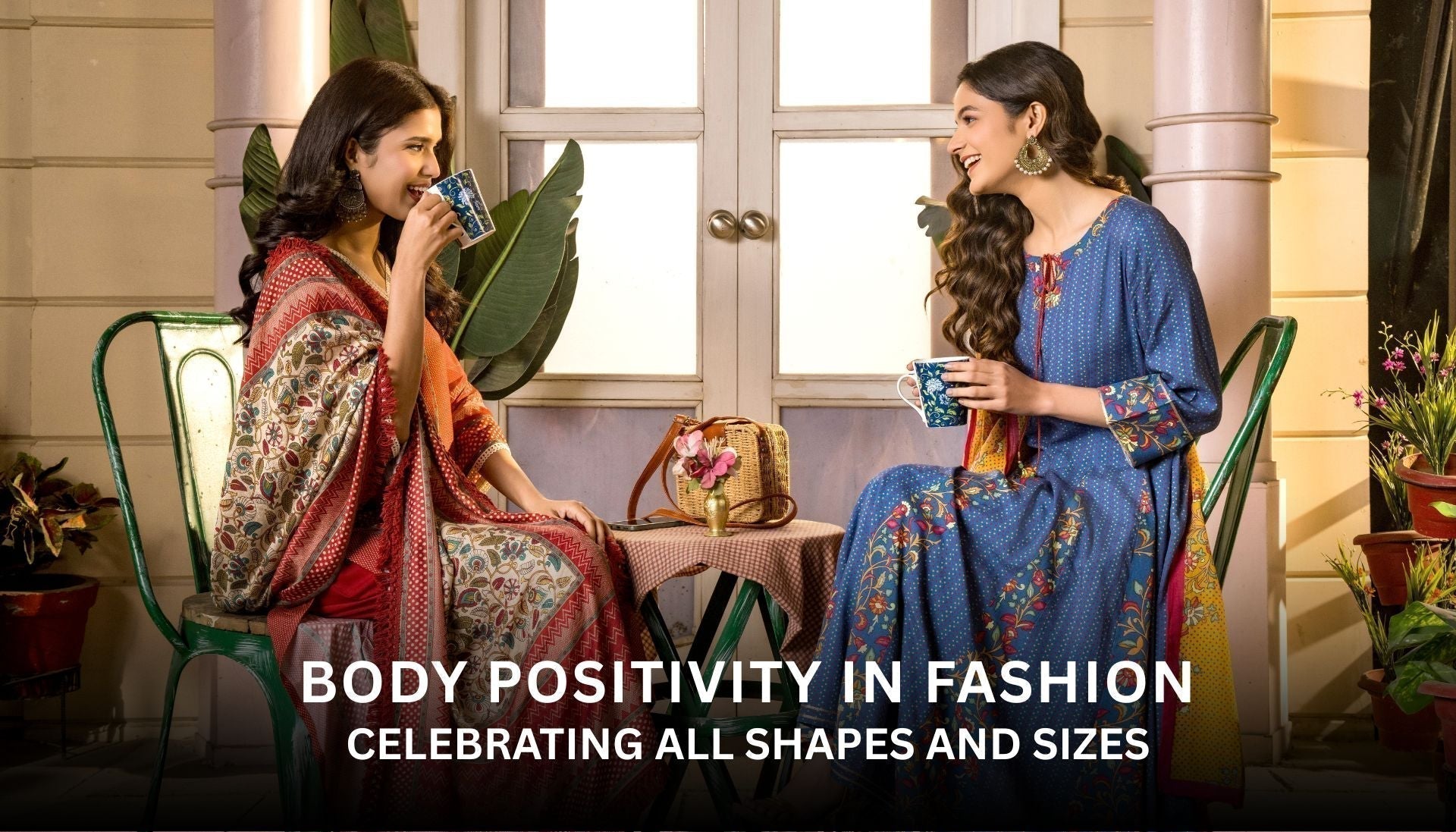
Modern feminism embraces intersectionality, and fashion has become a platform to highlight diverse voices. The fashion industry is gradually learning to demonstrate diversity, as seen by advertisements that include women of various skin tones and plus-size models dominating international runways.
Social media has amplified this change, giving women across the globe the space to reclaim their clothing choices. Influencers use fashion to speak against sexism, body shaming, and cultural stereotypes. For many, wearing traditional outfits like sarees or hijabs with pride is as feminist as wearing jeans or crop tops. The essence lies in choice, the freedom to wear what feels right without judgment.
Clothing as a Symbol of Strength
The link between clothing and feminism also lies in the confidence it instills. When women wear what empowers them, they send a message of strength to the world. Sometimes, this empowerment is subtle, like wearing comfortable fabrics that allow freedom of movement. Other times, it’s bold like donning a statement outfit that demands attention.

Ethnic wear has shown its versatility in feminist movements. From being worn during marches to symbolise tradition, to being reinvented with modern silhouettes, it allows women to carry forward cultural identity while making a powerful social statement.
Fashion may seem superficial to some, but history proves otherwise. Clothing has always been a form of dialogue, a way for women to reclaim space and make their voices heard. From suffragettes in white dresses to women embracing inclusive, body-positive fashion today, every stitch tells a story of resistance and empowerment.
At SHREE, we see fashion as more than what you wear; it reflects who you are, the confidence you hold, and the message you share with the world. When women choose outfits that reflect their truth, whether a bold kurti, a flowing saree, or a modern co-ord set, they’re not just dressing up; they’re making a statement.
Feminism and fashion will continue to evolve together, reminding us that clothing isn’t just about looking good; it’s about feeling powerful, standing tall, and carrying forward the message of equality with every step.
FAQs
1. How is fashion connected to feminism?
Clothing has long served as both a canvas for personal expression and a silent protest against limitations. From rejecting restrictive corsets to embracing power suits, clothing has reflected women’s fight for equality.
2. What are examples of clothing as protest in feminism?
Women rejecting beauty standards, protest T-shirts with striking statements, the black outfit at the Golden Globes for #MeToo, and suffragette white gowns are a few examples.
3. Why is fashion considered a tool for empowerment?
Fashion gives women the freedom to express individuality, challenge stereotypes, and reclaim ownership of their identity, making it an empowering social tool.
4. Does feminist fashion only mean protest clothing?
Not at all. Feminist fashion includes everyday choices that defy beauty standards, prioritize comfort, and highlight inclusivity for all body types and cultures.
5. Can traditional ethnic wear be feminist?
Yes, embracing traditional ethnic wear can be a feminist choice when women wear it on their own terms, celebrating culture while asserting independence and confidence.